
…easier said than done. The tension to which I refer is the tension inherent in maintaining a balance between keeping our children secure, making sure they have a safety net while simultaneously maintaining enough distance that we are able to accommodate their developing need for autonomy and independence. At every developmental stage there are tasks to be accomplished, skills to be mastered so that our children can move to the next stage with confidence and competence. If we attain that balance, our children will find themselves thriving in just the right “holding environment.” Just as we swaddle and hold infants to keep them comfortable and content, parenting older children requires that we hold them metaphorically
This task is challenging under the best of family circumstances, let alone when the family system itself is under increased duress. Such are the times of conflict, separation, or divorce. During these periods, children feel the added tension, often worry about their parents, and may be concerned about what will happen next.
Very young children, who miss very little and tend to misinterpret most of it, may understand only happy or sad, safe or scared, protected or hurt, accepted or rejected, loved or unloved. During the preschool years, children are just learning about relationships while having little experience with them and only a very concrete context in which to understand them. In addition to the basic love and affection needed by all of us, children require limits and boundaries, a pattern of behavior to follow. They rely on simple, clear routines and guidelines and a safe environment for exploration in order to grow cognitively and socially. All of these may be interrupted during times of high family stress and parental conflict or separation. They need adults to help them delay gratification, to reinforce self-calming strategies, to help them learn to manage their impulsivity, and to provide calmness and consistency. To help them move on, we must let them move around, fall down, make mistakes, and get up. We must help them learn the difference between what is theirs and what isn’t, whether we are talking about physical space, personal boundaries, or possessions. When parents are focused on each other in a less-than-wholesome manner or on themselves out of worry and self-protection, they may have less time and energy for positive parenting. In the author’s experience, young children who have been asked to draw a picture of Mommy’s house and Daddy’s house and the way between them most frequently draw pictures of roads with monsters, fire, and other hazards.
In the early elementary grades, children continue to need warmth, affection, and nurturing. However, teachers do not provide the same amount of physical closeness that parents do. Their nurturing comes more in the form of their encouragement and praise, their guidance and challenging of the children’s interests. Society continues to expect delay of gratification and impulse control. In maintaining a somewhat greater distance than parents, teachers help the children to set their own boundaries in the classroom community. At the same time, children in families with emotional distress may act out rather than express their feelings and have increasing behavioral difficulty at school. These children are involved in the task of identification, being “like” Mommy or Daddy. How does what they witness between their parents impact their sense of themselves? In one picture drawn for the artist, a child who was asked to draw a picture of Mommy, Daddy, and herself, drew a red Mommy, a blue Daddy, and herself half of each color. Imagine what the parent can learn who asserted that it didn’t impact their daughter if she heard them make scathing comments about the other parent. It is important for children to have adults model appropriate expression of feelings, teach the difference between what is “true” and what is “not true,” to help the children with acquiring basic self-advocacy skills and to reinforce the concept of compromise. They need us to model appropriate social behavior, to enforce rules, and to expect from them responsibility for their choices, their actions, and their possessions. In helping them move on, we work with them to explore their role in the family and the school community, to clarify their relationships with peers and adults, and to understand the kindness and reciprocity in true friendship.
In the later grades of elementary school, children’s developmental tasks include building their social skills repertoire, developing stronger peer relations and more consistent groups of friends, and assuming increasing responsibility in tasks and relationships. To provide an appropriate holding environment during these years, parents and teachers acknowledge and promote self-sufficiency, competence, and role definition. We hold children responsible for their own feelings and their own behavior, and we appropriately reinforce the authority of adults in the home and school communities. These tasks cannot be accomplished successfully when children have anxiety, deep sadness, sleeplessness, or what they may perceive to be anger at them. These children may not understand the difference between having a voice or a vote in family decisions and may experience very strong confusion and a divided sense of loyalty or may perceive one parent to be all good and the other to be all bad.
Even stages of adolescent and young adult development can impacted by having parents who are separating or divorcing. Adolescents may tend to vote with their feet or have a sense of empowerment that belies their age and development. Maintaining stability in an environment flooded by a hormonal potage can challenge the best developmental expert.
The “growing” of loving, competent, and happy adults begins at birth. We hold our children as they develop, allow them to make mistakes and learn lessons, encourage them to enhance self-esteem. We challenge them to become their best selves by providing optimal frustration, expectations for personal responsibility and accountability, and the luxury of time and patience while they learn who they can become. When they decide they can ride alone on their bike to the corner, we encourage them to ride all the way around the block and greet them on their return with a high five and a hug. We prepare them for their lives ahead by protecting them only so much on their journey. Slowly but surely, we allow them to be exposed to the frustrations and challenges of day-to-day living so that they can demonstrate resilience, competence, and satisfaction with themselves and the rest of their intimate community.
In Collaborative Divorce, parents receive additional support and encouragement they need together from a team on which they have worked together toward preserving as many of their hopes and dreams for their children as possible. They have the opportunity to acquire additional information and skills related not only to negotiation and conflict resolution, affective expression, communication, and child development. They have the opportunity to work together in a monitored and mediated process to enhance not only their children’s development, but their own as well. The autonomy, management, and decision-making are theirs and theirs alone, supported by competent, informed, and caring professionals working with them on their team.
About the Author
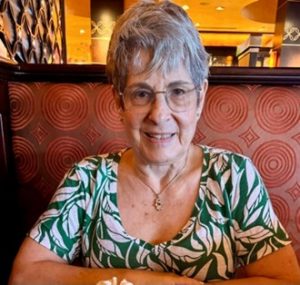 Gay is a CLI-MN member working in eclectic and inspired ways to support children, adolescents, adults, couples, and families through the typical and extreme challenges they may face in their lives. She is committed to preventing high conflict divorce and the related impact on children and parents. Gay says that she does this work because, “I love the opportunity to work as part of a team in leading families to and supporting them in wellness, in life-giving transactions and interactions; the opportunity to work toward their emotional health and well-being now and in the future of the children of our community”.
Gay Rosenthal, MA, LP
Psychologist/ Mental Health Professional
612-237-6547 | gay_rosenthal@me.com
https://rosenthal-psychology.com