
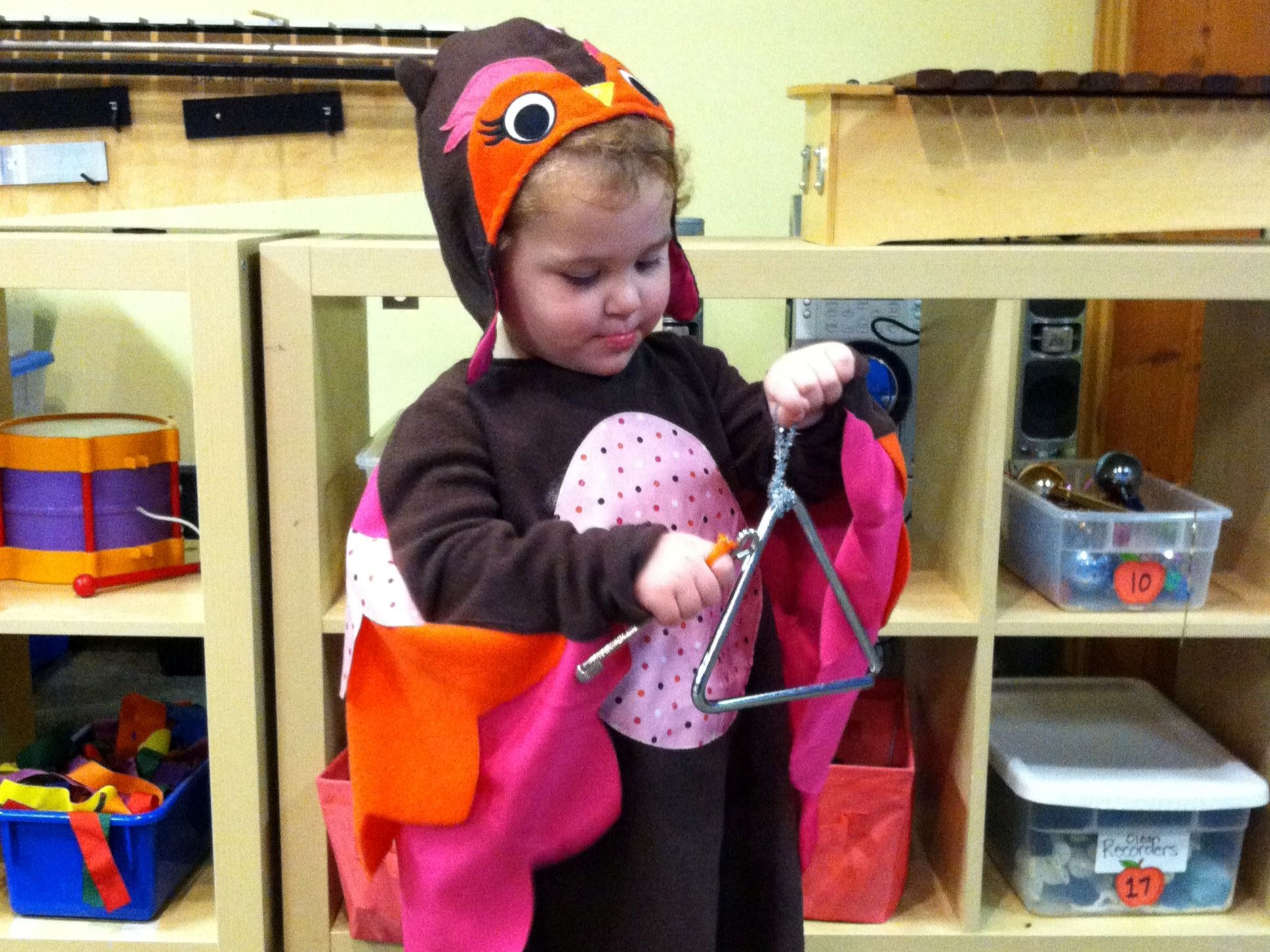
I love museums, and fortunately, so does my family. When my kids were little, my husband and I often took them to the Minnesota Children’s Museum in St. Paul. In addition to the exhibits, the Museum has ways for kids to just be. I loved watching my kiddos create, tinker, discover, and play. The “Seven Powers of Play,” developed by the Museum, are core developmental benefits that children acquire through play. As I observed their little imaginations running wild, it struck me (and bears repeating) that we all need to play. Throughout the Museum, families could discover fun facts, quotes, and ideas, along with boards that listed a separate “power” of play:
- Creative thinking – to consider and experiment with alternatives freely and without fear in any situation.
- Critical thinking – to discern knowledge, information, and interest in order to solve a problem, prove a point, or decide what to believe.
- (Self)-Control – to interface with and within a bustling society with the ability to manage one’s own attention, emotions, and behaviors.
- Confidence– to genuinely believe in one’s own abilities to experience success and satisfaction in not only what one can do, but also what one is willing to try.
- Collaboration – to engage with others positively and productively in pursuit of a common goal.
- Communication – to take language and literacy (the tools of communication) and use them to exchange information with power and precision.
- Coordination – to recognize, use, and appreciate the physical marvels of the human body.
So, all of you who are parents, grandparents, aunts, and uncles can appreciate this list, right? Play is powerful! In “Our World” a Minnesota “city” is set up in the Museum so the kiddos can shop at the farmer’s market, get packages ready for mailing at the post office, pretend to drive a fire truck, create signs, and so on. The “Powers of Play No. 5, Collaboration” board really caught my eye in this area. On it was the following:
Skills in Action:
- Cooperating with others to identify and pursue a common goal
- Showing compassion and sympathy
- Asking thoughtful questions and making connections
Power the Play
- Encourage children to try out new roles
- Let a child’s story unfold naturally
- Add a plot twist: “What would happen if…?
Hmmm…if young children can learn and apply collaborative skills, then surely adults can, right?
So, taking a lesson from the Children’s Museum, we will dive a bit deeper in Part 2 and take these skills and powers to see how they can fit into a Collaborative divorce.

Audra practices exclusively in the area of conflict resolution, with an emphasis on Collaboration. She believes Collaboration works best for families with children to help them move forward and thrive. She helps her clients reframe and change their mindset about the divorce itself, so they can see it as a new beginning. When she’s not Zooming with colleagues and clients, you’ll likely find Audra cheering on her kids at a various sporting events.